
25 Nov 2026
SPHERE launches new Strategic Plan for the next five years
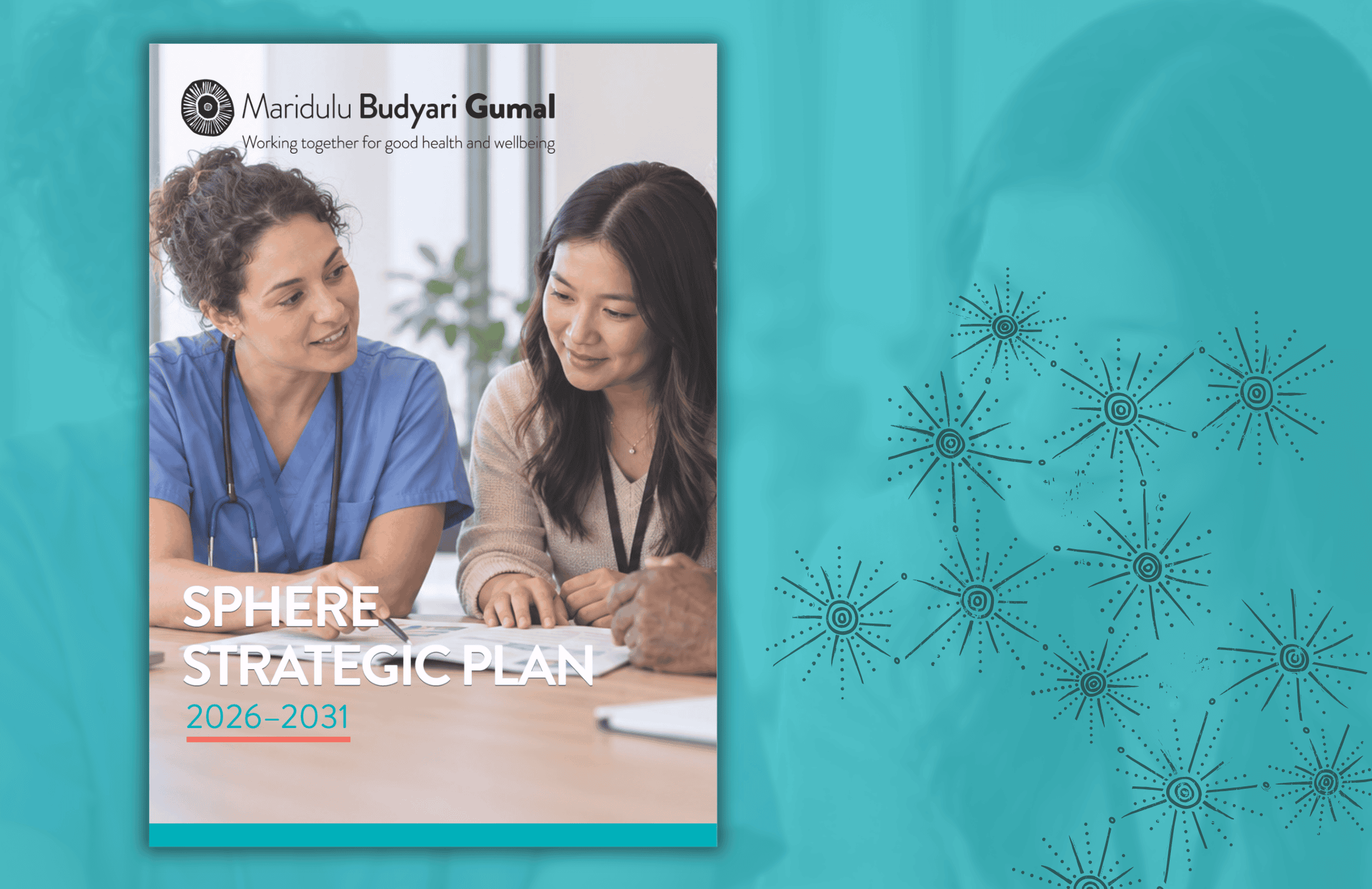
SPHERE has released its Strategic Plan 2026–2031, setting out how health services, researchers and communities across its partnership will work together over the next five years to improve care.
The plan addresses two important questions: How do we make sure research responds to the problems our communities face? And how do we turn approaches that work into everyday care for the people who could benefit?
Executive Director Professor Julie White said, “One of the strongest lessons from our first decade is that demonstrating something works is only the beginning. The hard work is getting it to be implemented.”
“How do we scale it? How do we spread it? How do we get it adopted and implemented? And how do we measure whether it’s actually making a difference? That’s what our new strategy aims to address.”
The strategy, developed during an extensive consultation process with partner organisations, sets out five priorities for the partnership:
- Shape research translation around health system and community priorities. Work with health services and communities to identify where research could make the greatest difference.
- Build connected capability and capacity for health service-led research translation. Build on fellowships and training strengths to give clinicians and their teams the skills to put evidence into practice.
- Enable implementation, sustainment and spread of research-informed improvements. Support services to adopt promising approaches, make them part of routine care and adapt them for other settings.
- Mobilise partnerships to create system-wide value and influence. Connect decision makers with research evidence, clinical expertise and community perspectives.
- Demonstrate impact in care, equity and health system value. Assess what difference the work makes to patients and health services, including whether it narrows gaps in care.
Equity-driven research translation and partnership with consumers and communities underpin all five priorities. People with lived experience will help shape which questions the partnership pursues, how the work is done and how success is judged. The plan also makes an explicit commitment to Aboriginal and Torres Strait Islander-led research translation.